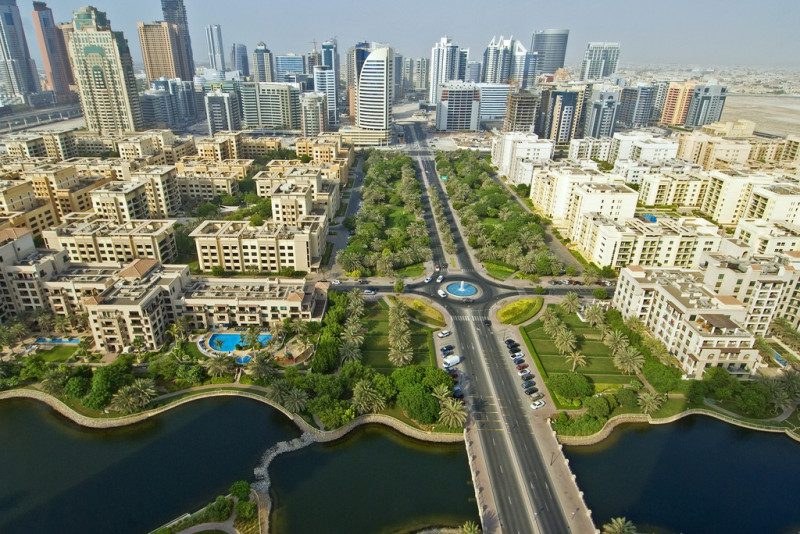
Dubai Water Canal is more than a waterfront attraction. It is part of a major waterway that connects Dubai Creek with the Arabian Gulf and cuts through some of the city’s most established central areas, including Business Bay and Jumeirah.
The completed Dubai Water Canal project was inaugurated in November 2016 at a reported cost of AED 3.7 billion. The wider waterway creates a 12-kilometer connection between Dubai Creek and the Arabian Gulf, while the newly constructed canal section itself measures 3.2 kilometers.
Today, the canal has become part of everyday Dubai rather than simply a place to visit. People use its waterfront for walking, cycling, dining and marine transport, while properties around Business Bay and nearby districts benefit from being close to one of the city’s most recognizable modern waterfronts.
If you are planning to visit, live near or buy property around Dubai Water Canal, the important question is not simply what the canal looks like. It is how the location works, what facilities are actually available and what being near the canal means for a property.
Dubai Water Canal at a Glance
Before looking at the lifestyle and property side, it helps to understand the scale of the project. According to an RTA case study, the newly constructed canal section is 3.2 kilometres long, between 80 and 120 metres wide and between 4 and 6 metres deep. The canal has a maximum stated speed of 7 knots. The same RTA source records 12 kilometres of cycling track, 3 kilometres of jogging track, a 6-kilometre boardwalk and nine marine stations as part of the canal infrastructure.
The project also involved substantial engineering work. RTA records approximately 3 million cubic metres of excavation, 408,000 square metres of reclaimed land and 20 million man-hours during construction.
These numbers help explain why the canal should be viewed as an urban infrastructure project, not simply a landscaped waterfront.
Where Is the Dubai Water Canal?
Dubai Water Canal runs through central Dubai, connecting the area around Dubai Creek with the Arabian Gulf.
The most relevant locations around the canal include Business Bay, Al Safa, Al Wasl and Jumeirah. This positioning is one of the canal’s biggest advantages for residents and property owners because it places the waterfront close to established residential, commercial and leisure districts.
Business Bay is particularly important. The canal passes through the district, bringing a waterfront environment into an area known for offices, apartments, hotels, restaurants and high-rise developments.
The canal also crosses major roads including Sheikh Zayed Road, Al Wasl Road and Jumeirah Road. RTA’s project description confirms that the development included bridges across these roads as well as pedestrian crossings and road improvements around the surrounding areas.
This means the canal is integrated into Dubai’s existing road and pedestrian network rather than functioning as an isolated attraction.
Why Was Dubai Water Canal Built?
The project was designed to extend Dubai’s waterway network and establish a direct connection between Dubai Creek and the Arabian Gulf.
When the second and final phase was inaugurated in November 2016, Dubai Government described the completed project as a 12-kilometre waterway connecting Dubai Creek to the Arabian Gulf. The total project cost was stated as AED 3.7 billion.
The project also had a strong transportation and public-realm component. RTA lists water transport, pedestrian movement, cycling, jogging, landscaping and tourism among the canal’s intended benefits.
That is important when looking at the canal today. Its value is not limited to the water itself. The surrounding infrastructure was planned to make the waterfront usable.

What Can You Do at Dubai Water Canal?
There is no need to treat the Dubai Water Canal as a destination that requires a long itinerary. Most of its appeal comes from how easily it fits into a normal day in Dubai.
Walk Along the Waterfront
Walking is one of the simplest ways to experience the canal. RTA’s project information confirms dedicated pedestrian infrastructure and jogging and cycling lanes along both sides of the canal. Its case study records a 6-kilometre boardwalk and a 3-kilometre jogging track.
For residents, this is particularly relevant. The canal provides access to outdoor space without requiring a trip to a separate park or beach.
Cycle
Cycling is also built into the canal’s infrastructure. RTA records a 12-kilometre cycling track within the canal project. This makes the canal more than a place to stop for photographs. The waterfront has been designed to support regular recreational use.
Take an Abra
RTA currently operates marine services along the Dubai Water Canal. The listed canal routes include Al Wajeha, Marasi, Business Bay, Godolphin and Sheikh Zayed Road. The current published fare for the listed commuter routes is AED 2 per stop. RTA also lists a 45-minute round-trip experience for AED 25 per person, subject to the applicable route and operating conditions.
For a private experience, RTA lists abra rental at AED 300 for one hour, with a stated capacity of up to 20 passengers and a minimum of six passengers required for the trip.
Because marine routes and timings can change, it is worth checking the RTA information before planning a trip.
Enjoy the Waterfront at Night
The canal takes on a different character after sunset, when the surrounding towers, roads and waterfront become part of the view.
The RTA case study records a smart LED lighting system using one million LED lights as part of the canal project.
The evening is also when the canal’s restaurants, walking routes and marine services become particularly relevant for people living or staying nearby.
Dubai Water Canal and Its Pedestrian Infrastructure
One of the more overlooked aspects of the project is how much infrastructure was built around the water.
RTA’s project description states that the development included four pedestrian crossings over the canal, with one incorporating retail and dining outlets. It also included dedicated lanes for jogging and cycling and landscaping along both sides.
The road infrastructure was upgraded as part of the project as well. The Sheikh Zayed Road bridge crossing the canal was designed with eight lanes in each direction, while bridges were also constructed on Al Wasl Road and Jumeirah Road.
For someone considering a property nearby, these details matter more than simply having a canal view. They tell you how the waterfront connects to the surrounding neighbourhood.
Dubai Water Canal at Night
If your main purpose is sightseeing, the canal is particularly suited to an evening visit. The waterfront combines illuminated public areas with views of Dubai’s high-rise skyline. Walking along the canal gives you a different perspective of Business Bay and the surrounding central districts than you get from the main roads.
An evening abra trip is another option. RTA currently lists a 45-minute round trip from the Sheikh Zayed Road marine station, with departures listed from 4:00 pm until 11:00 pm and a last departure at 10:15 pm. The published fare is AED 25 per person.
Timings may vary during Ramadan and public holidays, so the RTA schedule should be checked before travelling.
Why Dubai Water Canal Matters for Property Buyers
For property buyers, the canal is relevant because of where it is, not simply because it is attractive. It sits within central Dubai and passes through Business Bay before continuing toward the Gulf. That puts nearby properties within reach of commercial districts, major roads, restaurants and waterfront infrastructure.
The canal can also change the experience of individual properties.
A unit facing the water may have a very different outlook from another apartment in the same building that faces a road or another tower. The floor, orientation and surrounding buildings can all affect what the resident actually sees.
This is why “near Dubai Water Canal” should not automatically be treated as the same thing as “canal-facing.”
Canal View vs. Canal Proximity
This distinction is important when evaluating a property. A building may be close to the canal but still have:
- No direct canal frontage
- No unobstructed canal view
- Limited pedestrian access
- A road or other buildings between the property and the water
- A different view depending on the floor and orientation
A buyer should therefore inspect the actual unit rather than relying only on the location description used in a listing.
Which Areas Are Near Dubai Water Canal?
Business Bay
Business Bay is the most important district to consider when discussing property around Dubai Water Canal. The canal runs directly through the district, creating a combination of high-rise residential and commercial development with waterfront access.
For residents, this can mean living close to offices, restaurants, hotels and the canal’s walking and cycling infrastructure.
For buyers, the specific building matters. Two properties in Business Bay can have very different views, access and surroundings even if both are marketed as being near the canal.
Al Safa
Al Safa is another important area along the canal’s route. Its established residential character gives the canal a different setting from the high-rise environment found around Business Bay.
Al Wasl
The canal passes through the wider Al Wasl area, linking the waterfront with established residential and lifestyle destinations in central Dubai.
Jumeirah
The canal continues toward Jumeirah and ultimately reaches the Arabian Gulf. This gives the southern section a different character from the denser Business Bay stretch.
What Is It Like to Live Near Dubai Water Canal?
Living near the canal is less about having a tourist attraction outside your building and more about having access to a different type of urban environment.
For residents who enjoy walking, jogging or cycling, the canal provides dedicated infrastructure close to home. The RTA project includes a 12-kilometre cycling track, 3-kilometre jogging track and 6-kilometre boardwalk.
The location can also appeal to people who want central Dubai without giving up access to outdoor space.
At the same time, buyers should consider the practical side of high-density central areas. Traffic, building access, parking, service charges and the exact walking route to the waterfront can all differ from one development to another.
The canal itself does not guarantee a particular lifestyle. The building and its immediate surroundings still matter.

What Should You Check Before Buying a Property Near Dubai Water Canal?
The phrase “waterfront” can make a property sound straightforward. It is not. Before buying, look at the following:
Check the Actual View
Ask for the view from the specific unit, not a generic photograph from the development.
Check the Orientation
Two apartments on the same floor can have completely different views depending on their direction.
Check the Walking Route
Use the actual pedestrian route to the canal. A property that looks close on a map may not have a direct route to the waterfront.
Check the Surrounding Development
A view that looks open today may be affected by future development. Buyers should understand the surroundings rather than assuming the current view will remain unchanged.
Check Building Costs
Service charges and building maintenance form part of the actual ownership cost. A canal location should not distract from these recurring expenses.
Check the Building, Not Just the District
Business Bay’s overall market performance does not tell you how a particular tower performs. Look at the building’s condition, amenities, unit layouts, rental demand, service charges and transaction history where available.
This is particularly important if the purchase is being made for rental income rather than personal use.
Is Dubai Water Canal Different From Dubai Creek?
Yes, even though the two are connected within Dubai’s wider waterway system. Dubai Creek is closely associated with the city’s historic districts, traditional abras and older commercial areas.
Dubai Water Canal represents a newer urban waterfront, passing through areas such as Business Bay and connecting the central city to the Arabian Gulf. Dubai Government describes the completed canal as a 12-kilometre waterway connecting Dubai Creek with the Arabian Gulf.
The distinction is useful because the two locations offer very different surroundings even though they form part of the same broader water network.
How Much Does It Cost to Visit Dubai Water Canal?
You can walk along the public waterfront without paying an admission fee. Paid marine experiences have separate charges. RTA currently lists canal commuter routes at AED 2 per stop. It also lists selected round trips at AED 25 per person, while private abra rental is listed at AED 300 per hour.
These fares are subject to change, so visitors should confirm the current information through RTA before travelling.
Final Takeaway
Dubai Water Canal has developed into an important part of central Dubai’s urban landscape since its opening in 2016.
Its significance comes from the combination of water transport, pedestrian infrastructure, cycling routes, public spaces and its location through established parts of the city. The project includes a 6-kilometre boardwalk, 12-kilometre cycling track and 3-kilometre jogging track, while RTA continues to operate marine services along the canal.
For visitors, the canal offers an easy way to experience Dubai’s skyline from the waterfront. For residents, it provides access to outdoor space in a central urban setting. For property buyers, the important distinction is between simply being near the canal and actually having the view, access and location benefits associated with it.
If you are considering a property in Business Bay or another area around Dubai Water Canal, look beyond the waterfront label. The specific building, unit orientation, view, pedestrian access, service charges and surrounding development will ultimately determine what that location offers.
Want To Invest In Dubai? |
|
| Luxury properties in Dubai | Villas for sale in Dubai |
| Apartments For Sale in Dubai | Plots for sale in Dubai |